The Winery
A family owned vineyard
Château Clarisse and its history
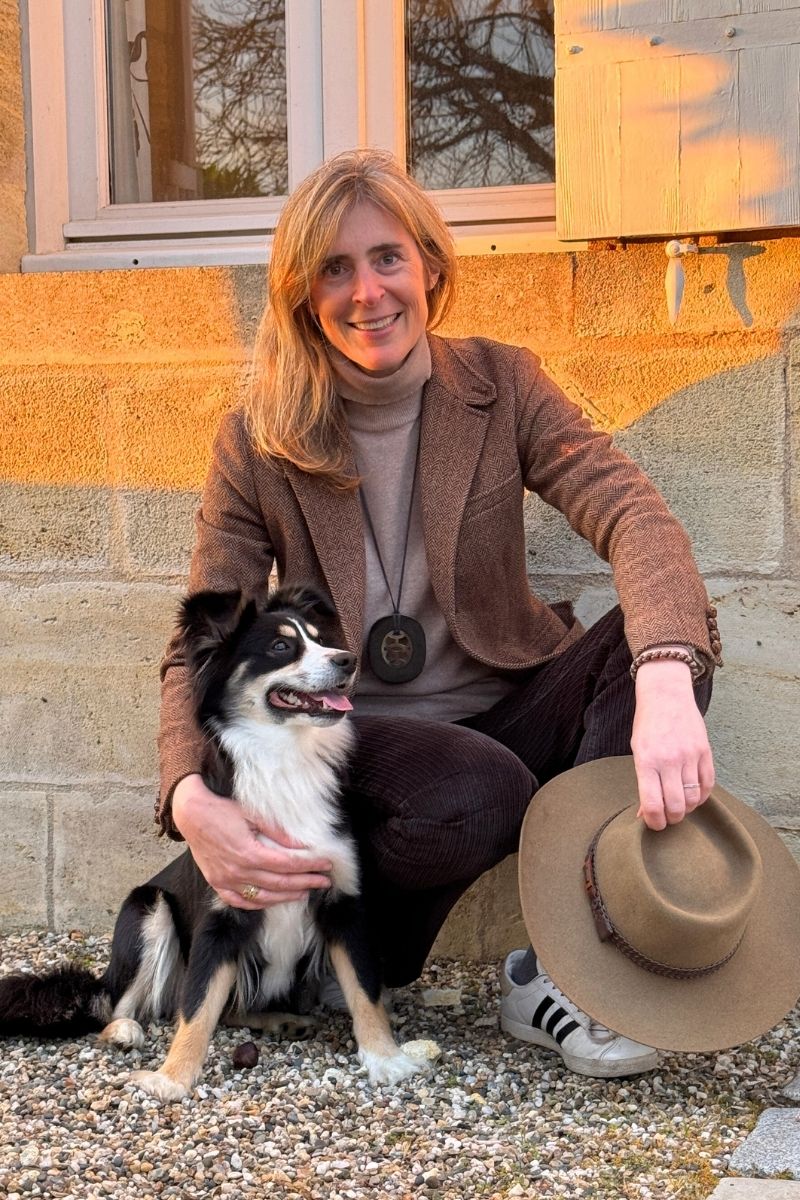
“After two years of research, we had a real favorite for a vineyard property combining ideal terroir and climate, combined with a perfect vineyard, 60% Cabernet Franc, 35% Merlot and 5% Petit Verdot and Carménère. To develop a wine as I imagined it, rich in perfume and subtle “.
Driven by a passion for wine, a desire to return to their roots and a taste for challenge, Olivia and Didier Le Calvez have, since 2010, crafted their own wine in one of the most illustrious terroirs of the Bordeaux constellation, listed as a UNESCO World Heritage Site: the Saint-Émilion region.
Didier Le Calvez’s love for wine traces back to childhood memories, from summer holidays in Pessac-Léognan to witnessing the rise of California’s great vineyard names in the 1980s, which conveyed their own interpretation of the American dream. Equally devoted to wine and authenticity, Olivia Le Calvez anchors her story in the lands of the Haut-Médoc, where her appreciation for characterful vineyards first took shape.
When their path led them to Puisseguin, they discovered a plateau sculpted during the Oligocene and rich in Asteria limestone. This fossil rock, over 30 million years old, possesses a rare property: it stores water in winter and releases it slowly to the vine when needed, ensuring ideal balance during warmer periods. A valuable asset for Cabernet Franc, to which this soil lends finesse, freshness and a pure aromatic expression.
After several years of research beginning in 2007, their vision came to life in an authentic stone girondine, perched atop the highest plateau of the Gironde. Formerly owned by the Estager family and surrounded by the Saint-Émilion “satellites”, the estate is separated from the famed medieval village by a ribbon of water: the Barbanne.
Thus was born Château Clarisse—named after their daughter, who was one year old at the time of the maiden 2010 vintage—a vineyard where a story of family and terroir continues to unfold.
A family owned vineyard
Biography : Didier Le Calvez
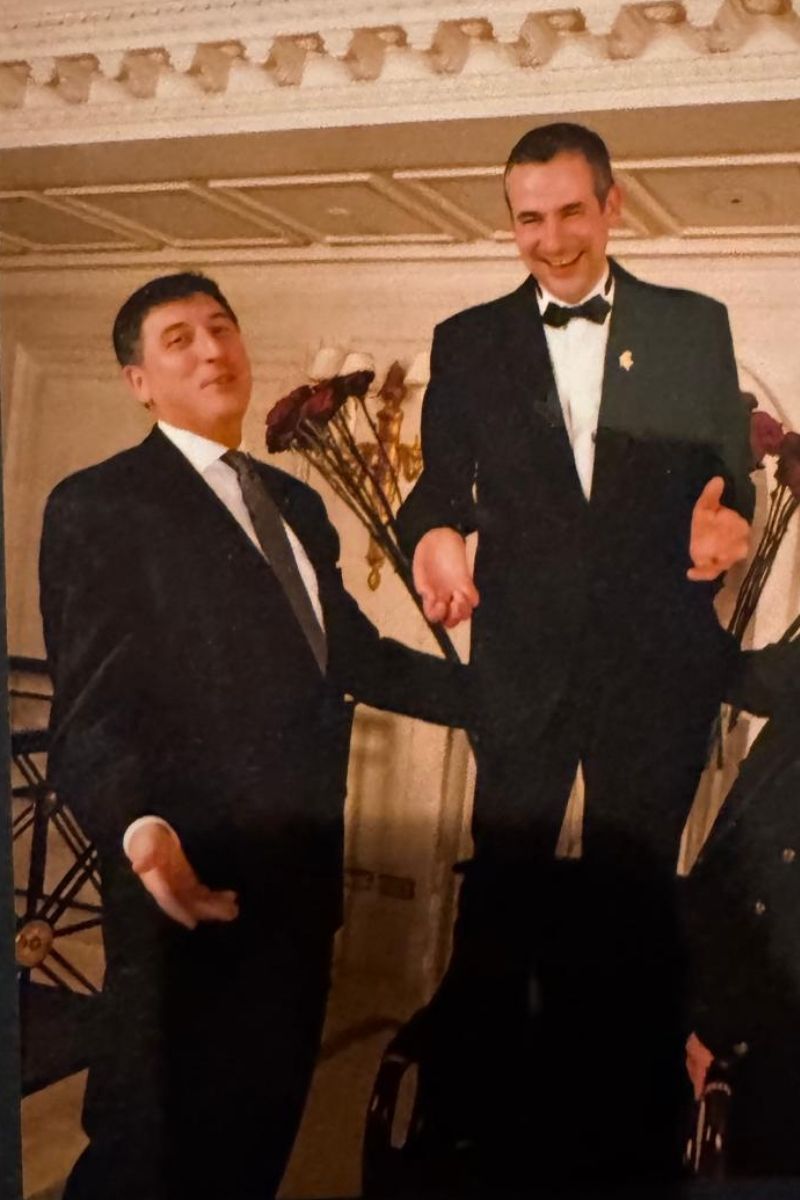
Archive photo, Didier Le Calvez and Eric Beaumard, George V, 1999.
After more than forty years at the highest level of luxury hospitality, Didier Le Calvez chose to embrace a new challenge: giving life, in Puisseguin Saint-Émilion in 2009, to a wine that would meet his exacting standards. The creation of Château Clarisse brings to fruition a long-held dream, nurtured by family roots and shaped through a lifetime spent among the great vineyards of France, the Napa Valley of the 1980s, and the finest dining tables in the world, guided by the influence of leading sommeliers, first and foremost Eric Beaumard.
Formerly at the helm of iconic establishments such as Le Pierre in New York and the Four Seasons Hotel George V in Paris, he carries over to the vineyard the same operational rigor and meticulous attention to detail, giving rise to a style that is pure, elegant, and vibrant.
Perched on the highest plateau of the Gironde, Château Clarisse flourishes on an exceptional clay-limestone terroir where agroforestry plays a central role, with four hectares of woodland and hedgerows. Since 2010, nearly 70% of the vineyard has been restructured, now benefiting from top-quality plant material and a distinctive varietal composition that revives historical and rare grapes of the region, such as Petit Verdot, Carménère, and Petit Manseng.
According to the study conducted by Cornelis van Leeuwen for Les Saint-Elites in 2020, this area of Puisseguin enjoys a slightly cooler climate than Saint-Émilion. Long viewed as a limitation, this thermal balance has become a valuable asset in the context of climate change, offering the wines natural freshness and remarkable aromatic precision.
Our vineyard spans two exceptional appellations, Castillon Côtes de Bordeaux and Puisseguin-Saint-Émilion, each contributing its own identity to the estate’s wines.
Today, 30% of the vineyard is planted with Chardonnay, a grape variety we have been producing since 2023. Between 2027 and 2028, Château Clarisse will unveil its second white cuvée, an assemblage predominantly of Sauvignon Blanc and Sémillon, which will gradually evolve with the future integration of Petit Manseng.
Under the technical direction of Julien Viaud, agronomist and consultant overseeing all our wines, this new orientation marks the emergence of the estate’s future white-wine identity.
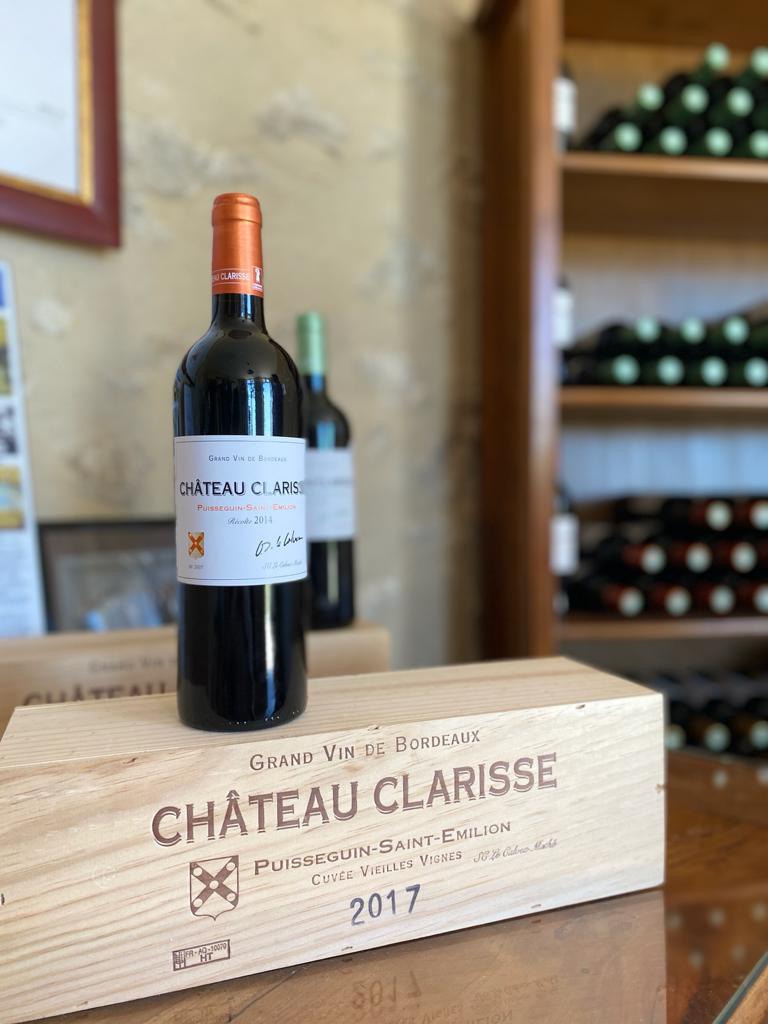
We craft three red wines, including a Merlot single-varietal (Castillon Côtes de Bordeaux, Cuvée Allegria) and a Vieilles Vignes cuvée from vines over 75 years old—each expressing a singular facet of our terroir. In keeping with this vision, the red signature of Château Clarisse is rooted predominantly in Cabernet Franc, following the lineage of its illustrious Saint-Émilion neighbors, Château Ausone and Cheval Blanc. A deliberate choice, celebrating the finesse, freshness, and depth of the Puisseguin plateau.
A family owned vineyard
Biography of Julien Viaud
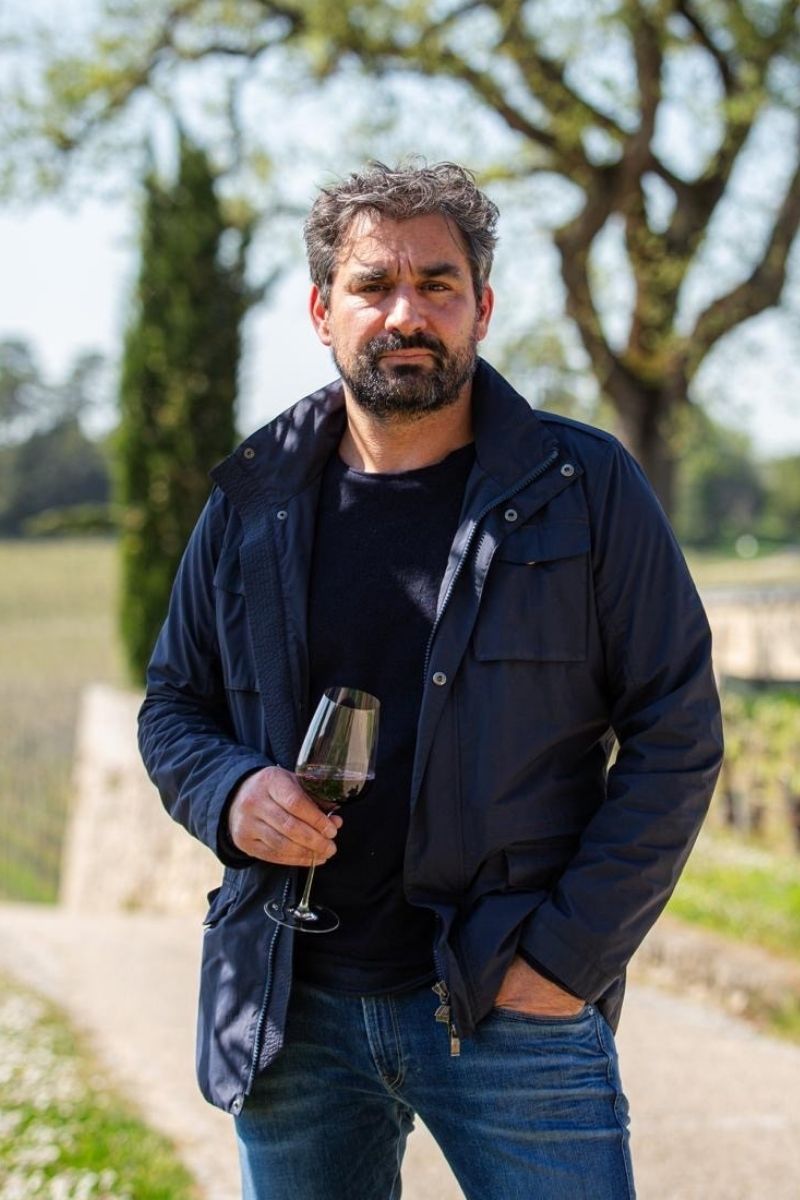
“Julien helped us restructure the vineyard. His global vision and influence on the winemaking process are essential. He plays a key role in defining the unique identity of Château Clarisse. I am truly delighted with this collaboration.” Didier Le Calvez
Julien Viaud is an agronomical engineer and oenologist, graduated from Montpellier SupAgro. After five years managing a 45-hectare family estate in the south of France, where he practiced every aspect of vineyard and cellar work, he joined Michel Rolland in 2006.
Since 2020, he has been a partner at the Rolland & Associés Laboratory. Born in Libourne and of Italian heritage, he has refined his expertise through missions spanning India, South America, China, and Lebanon. This international breadth inspires an approach that is resolutely parcel-based and pragmatic: guiding decisions, revealing the voice of each terroir, and seeking balance and precision in every blend.
Alongside Château Clarisse, which he has been advising since 2018, he oversees cellar work, shaping a style that is pure, elegant, and vibrant. The red wines are built around Cabernet Franc and Merlot. Rarer grape varieties such as Petit Verdot and Carménère complement the blends, deepening their complexity.
A growing proportion of white wines, led by Chardonnay and complemented by Sémillon, Sauvignon Blanc and Petit Manseng, brings freshness and tension.
Discover our exceptional
terroir
A perfect localisation and soil for a diversified vineyard
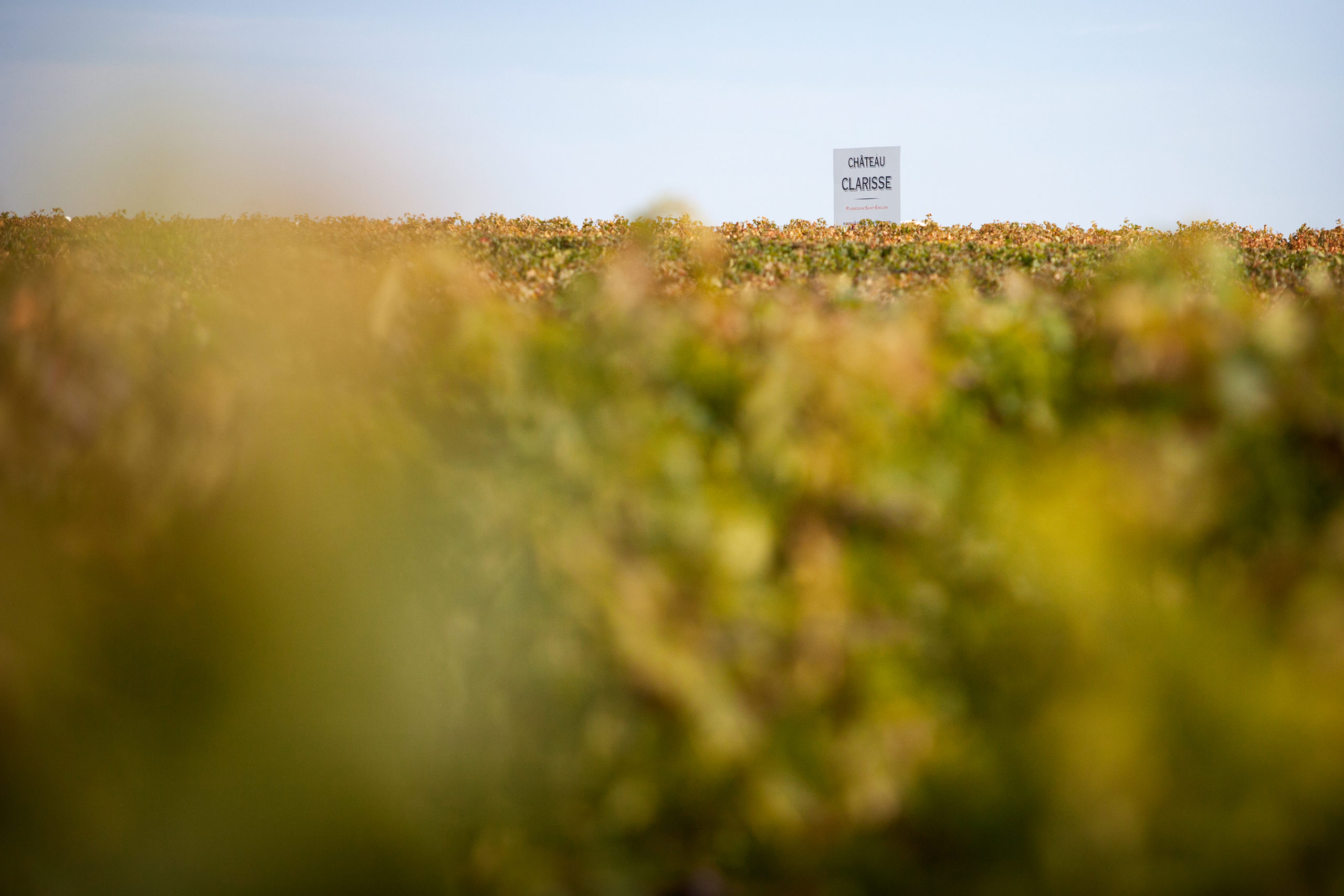
The vineyard covers today 21ha, including 3 ha of woods, mainly on the limestone plateau of Saint Emilion, at 100m hight.
Soils are made of limestone and clay, with exceptional "astéries " limestone.
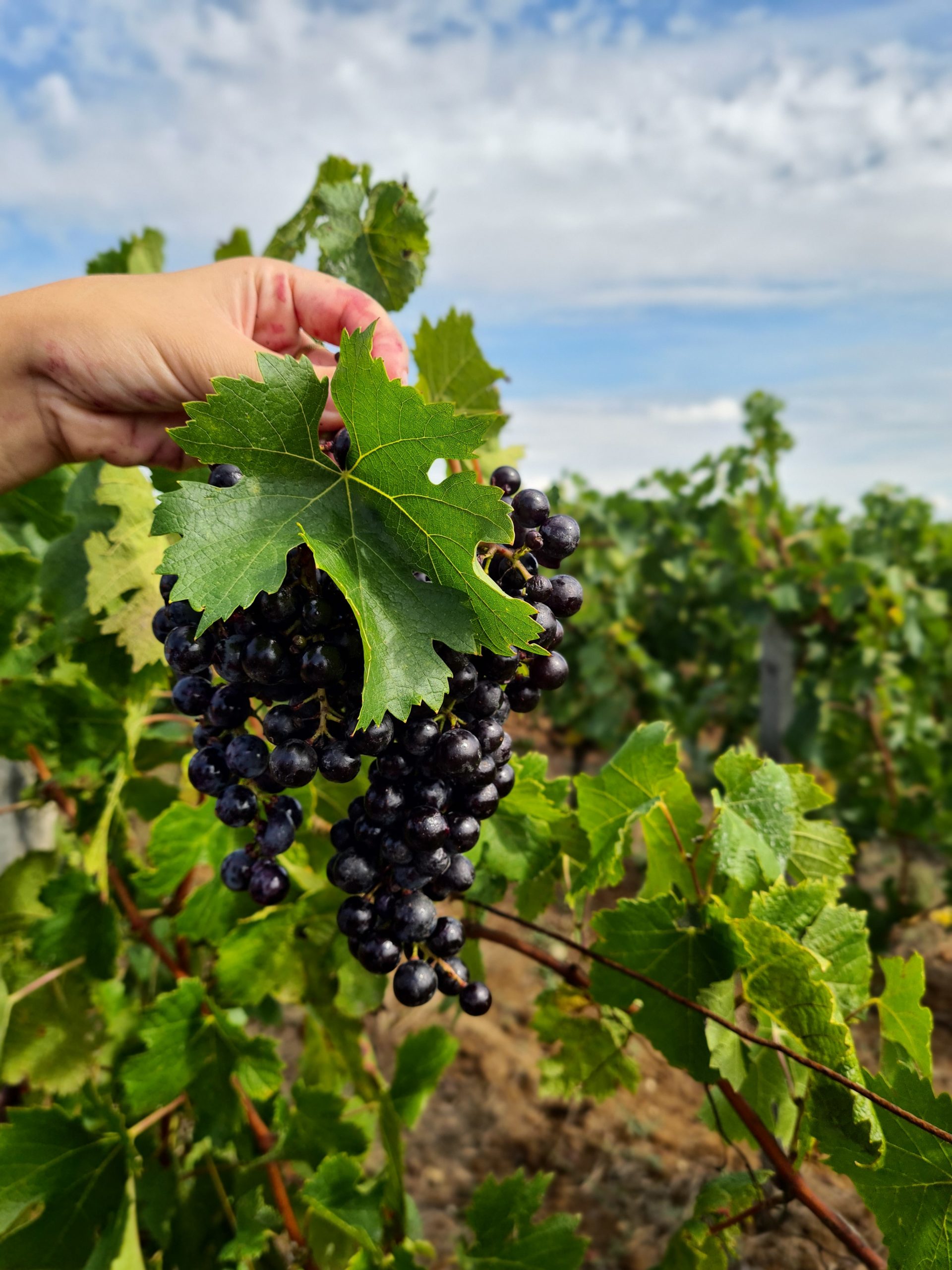
35 % Merlot, 60% Cabernet Franc but also 5% Carménère and Petit Verdot, typical grapes varieties from Bordeaux, as well as Chardonnay since 2020. 60% of the vines has been replanted since the beginning of the vineyard, while keeping 15% of old vines ( between 45 to 75 y.o).60% de vignes replantées depuis la création du vignoble mais aussi 15% de vieilles vignes, entre 45 et 75 ans d'âge.
Manual harvest are made in order to preserve the sol and the vines.
At the heart of the woodland surrounding the vineyard, beehives have been installed to strengthen the vitality of our ecosystem.

A preserved environment
The respect of biodiversity
Since 2009, our approach has been rooted in thoughtful, sustainable viticulture, placing the care of the soil, the vines, and natural balances at the heart of our work. In close collaboration with INRA, we carried out extensive restoration and preservation of our woodlands, covering 4.2 hectares, alongside the planting of new hedgerows to further develop agroforestry within the vineyard.
We also created a botanical garden and installed beehives to encourage biodiversity and support the vitality of our ecosystem. Thanks to the environmentally conscious practices adopted by many neighbouring estates, the surroundings of our vineyard offer particularly favourable conditions today.